Netherland Dwarf breeds


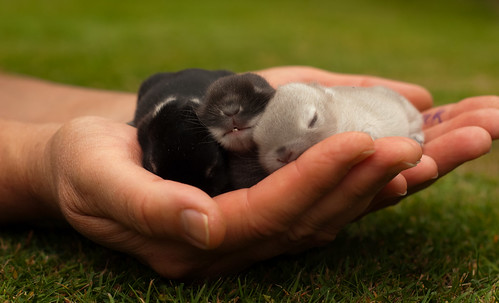
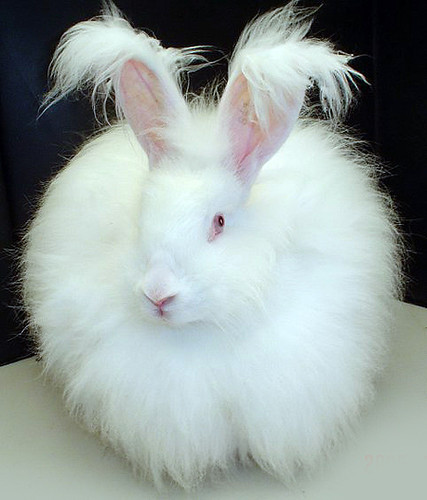
Rabbit breeds derived from breeding larger rabbits with the Netherland dwarf are known as dwarf breeds. Most smaller breeds, like the Mini-Rex, the Jersey Wooly, and the Holland lop, are results of such breedings. Generally dwarf breeds are slightly larger than the typical Netherland dwarf, not growing larger than 4 to 5 lb (1.8 to 2.3 kg). Most have shortened faces compared to larger rabbits, and some even preserve the rounded head, large eyes, or small ears of the Netherland dwarf.These features make them look little.

Most dwarf breeds are intended to bring a specialized characteristic, such as a specific fur type, into a smaller rabbit. Mini-Rex were created through the breeding of dwarfs with Rex rabbits, a fur breed with a short, plush coat, and retain both the dwarf's size and the Rex fur. Jersey Woolies are a dwarf version of the Angora rabbit, a wool-producing breed. Lop-eared rabbit breeds, interbred with dwarfs, were used to create Holland Lop. Despite its name, the Mini Lop is not a dwarf breed.

Netherland Dwarfs as pets

Behavior Netherland dwarf rabbits have the same basic behavioral traits as dogs or cats. They can be litter-trained, but success varies amongst trainers of any breed.

Netherland Dwarfs have a reputation of being skittish, wild, and/or of poor temperament. This is a leftover stereotype from the beginnings of the breed, when temperament wasn't the best. This has changed through selective breeding, making Dwarfs a docile breed. There are always exceptions, however, and there are testy individuals out there. In general, the Netherland Dwarf is curious and gentle. Those that are handled often learn to seek out human contact and enjoy companionship.

Netherland Dwarf


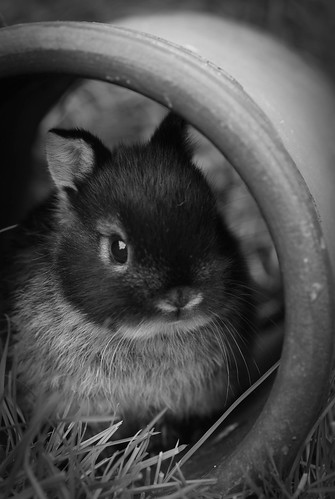
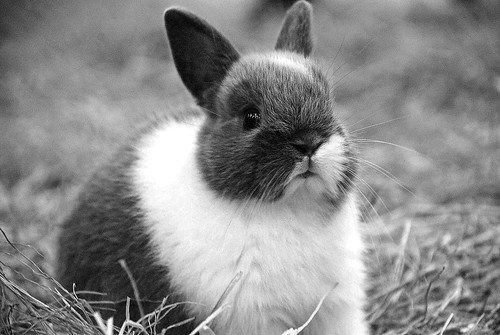
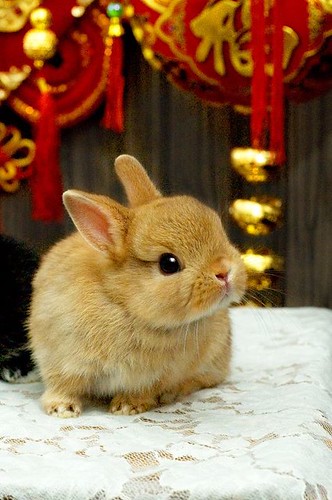
The Netherland Dwarf is a popular breed of domestic rabbit (Oryctolagus cuniculus) originating in the Netherlands. Smaller than most rabbit breeds, Netherland Dwarf rabbits weigh 500 g to 1.6 kg (1.1 lbs to 3.5 lbs) and are usually kept as pets or exhibition animals. They are not typically used as sources of meat or fur because of their small size.(3 in.)

Most rabbits sold in rabbit shows are Netherland Dwarfs, Netherland Dwarf-derived breeds (often referred to simply as dwarf breeds), or Netherland Dwarf crosses. Their popularity as pets stems from their babyish appearance and their smaller cage space requirement compared to larger rabbit breeds. A lot of people also use Netherland Dwarfs for showing.

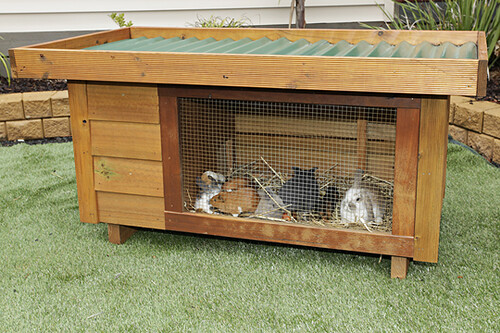
Everything You Need to Know About Rabbit Runs

Who wants to know boring facts about rabbits? Not us!

Here are some fun, little-known facts that are a bit more interesting than your usual 'largest rabbit', 'longest ears' sort of stuff!

Rabbits hate baths (and don't need them)
Ok, so a few of you may know of a pet rabbit that doesn't mind the odd bath or shower (even with you!) but in general bunnies don't like baths and should never be given one. Their fur takes a long time to dry so they could catch a chill while drying plus moist fur can attract parasites. Rabbits like to spend a large part of their day grooming themselves and this, along with a little human help in the form of brushing, is usually all they need to stay clean and tidy.

Facts about rabbits as pets

Bunnies are very popular amongst children. Story books, movies, and cartoons are all filled with rabbit characters that show a personality which results to the misconception that rabbits and children are perfect for each other.

Getting a rabbit for a young child could be disastrous. If you have been thinking of buying this pet, then you might want to take the time in reading the following considerations in caring for a rabbit. Of course, it is important that you never allow your child to have a pet in which he is not capable of taking care of.